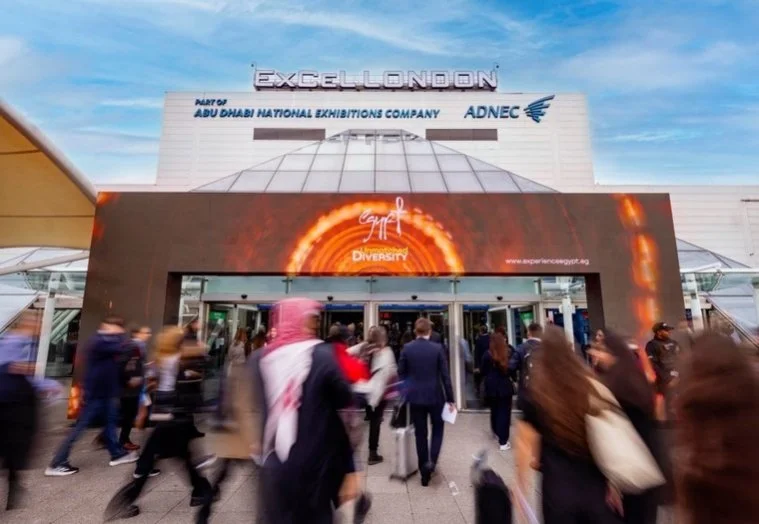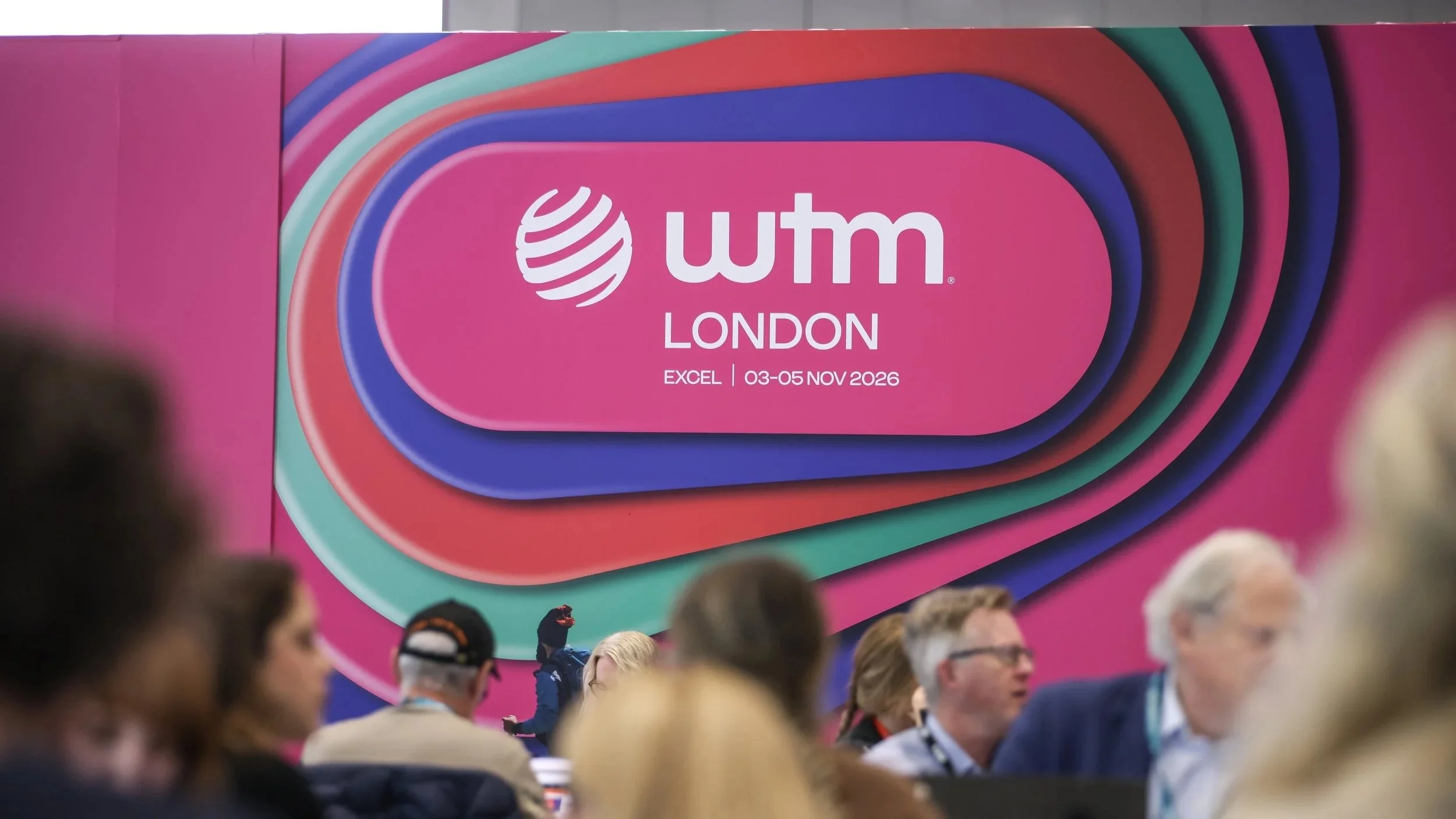
Another World Travel Market has come and gone. The sprawling ExCeL stands have been dismantled, the networking bingo cards are full, and the annual declarations of "the best WTM ever" have predictably echoed across our feeds.
I spent all three days walking the carpet this year. My strategy? Don't try to boil the ocean. WTM is enormous and can be completely overwhelming if you let it. I kept a loose schedule, set a couple of clear business development goals, caught up with old contacts, attended a few talks, and enjoyed some excellent offsite celebrations. Honestly, spending just a few focused hours each day is the perfect way to get genuinely excited about the industry we love.
But beyond the familiar industry optimism, what did we actually learn?
Looking at the trends and takeaways, I'll be blunt: nothing was wildly surprising. We've been talking about the demand for "value for money" and "great experiences" for years. It is brilliant to see sustainability firmly back on the agenda after briefly taking a backseat. However, I was genuinely surprised we didn't hear more about AI. Yes, it was heavily featured, but given the monumental, fundamental shifts coming our way, the conversation almost felt understated.
Looking across the research and commentary emerging from the show, here are the six themes we think are actually worth your attention right now.
1. Value Matters (But That Doesn't Mean Cheap)
Research published by TTG during the show found that 84% of travel agents identified price and value for money as their customers' biggest considerations. Given the continued squeeze on household finances, this isn't exactly a shock. But the distinction between price and value is critical.
Consumers are watching their spending, but they are still prepared to pay more for something they consider genuinely worthwhile. The challenge for us as marketers is to prove that worth, through quality, added value, convenience, or deep expertise, rather than just reaching for the discount button the second bookings go soft.
2. AI is Moving From Research to Booking
We've spent a lot of time discussing how AI is transforming travel inspiration. The sheer volume of WTM sessions dedicated to tech proves its massive role in our future. But attention is now shifting toward AI actually making the bookings.
According to the WTM Global Travel Report, 36% of travellers would trust AI to book on their behalf, a figure that jumps to 54% among 18–34-year-olds. For marketers, this raises fascinating questions. What happens to brand loyalty when an AI assistant becomes the middleman? If tech makes comparing holidays completely frictionless, what role does your brand identity play in stopping your product from becoming just another interchangeable commodity?
3. Uncertainty is the New Normal
Geopolitical tensions, economic pressures, and changing perceptions of destinations are constantly shifting booking behaviours. TTG reported agents seeing reduced demand for the Middle East and US, alongside growing interest in Canada, Europe, the Caribbean, and parts of Asia.
Consumer confidence has always been vulnerable to the news cycle. What's changing is how frequent and complex these disruptions are. For marketers, being responsive is non-negotiable. More than ever, clear communication, genuine flexibility, and trusted advice will help your customers navigate uncertainty without adding to their anxiety.
4. Experiences > Itineraries
The growing appetite for authentic, immersive travel was another recurring theme. Travellers don't just want a list of places to stand in front of; they want stories to tell, connections to make, and enriching moments that feel distinctly personal.
This is a massive opportunity to rethink how we present our products. A day-by-day itinerary tells someone what they will do. Good storytelling helps them imagine how they will feel. That distinction is everything, especially when you are trying to justify a premium price tag.
5. Climate Change is Redrawing the Holiday Calendar
With extreme summer temperatures actively dictating destination choices, interest in cooler climates and shoulder-season travel is surging. Climate change has moved beyond a corporate sustainability conversation; it is now a highly practical consideration in holiday planning.
This gives marketers the chance to completely rethink seasonality. We can easily expect demand for places like Canada, Northern Europe, Scandinavia, and the Northern US to grow as traditional Mediterranean favourites become simply too hot to handle in July and August. It’s also the perfect moment to make responsible travel choices look deeply attractive for reasons beyond just environmental guilt.
6. The Human Touch is the Ultimate Differentiator
Given the tidal wave of AI chatter, this was perhaps the most reassuring takeaway: human expertise still matters. For complex, expensive, or unfamiliar holidays, customers desperately value real knowledge, reassurance, and personal recommendations.
Technology will make transactions faster. But trust, empathy, and relationships remain your most powerful differentiators. The goal isn't to choose between tech and people; it is to use the tech to free up time and space for the people.
The Llama Verdict
Taken together, these themes point to a travel market that is incredibly resilient, but populated by customers who are more discerning, selective, and demanding than ever before.
They want value, but not necessarily the lowest price. They want tech to make things frictionless, without sacrificing human trust. And they want experiences that justify both their hard-earned money and their precious time.
For travel marketers, the biggest takeaway from WTM 2026 is wonderfully simple: as the world of travel becomes increasingly complicated, our job is to make choosing, booking, and experiencing it feel effortless.