When Everything Stops: Turning Travel Disruption into Brand Trust
A few weeks ago, I found myself sitting in a lounge at Barcelona Airport. The UK air traffic control system had suffered a major breakdown, and flights across Europe were displaying red warning lights on the departure boards.
I hold status with British Airways, and my contact details, preferences, and travel history are all sitting in their CRM. Yet, as the 3pm, 4pm, and 5pm flights to London drifted into delays and eventual cancellations, the sum total of BA’s communication to me was a single automated email offering a €15 food voucher, if I downloaded an app.
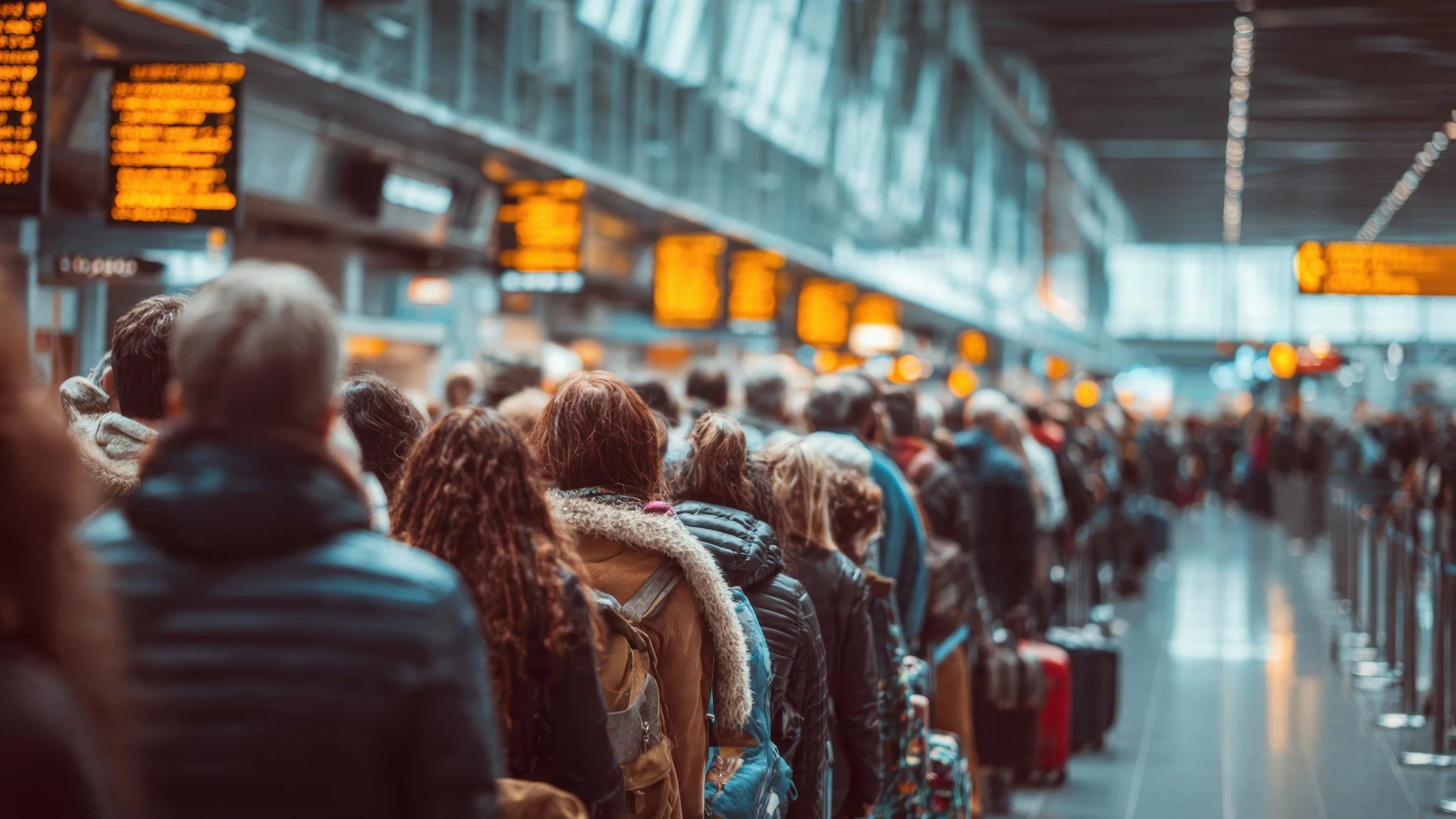
What followed was eight hours of radio silence. The contracted lounge staff had no updates, no BA representatives showed up at the designated gate, and passengers were eventually told simply to leave the airport. I sourced my own hotel, paid for my own taxi, and only at 1:00 am did my app quietly update to reveal my new flight was booked for two days later. Zero guidance, zero follow-up, and an unreachable helpline.
In an era of hyper-personalised marketing, AI-driven CRM, and instant messaging, why are some travel brands still ghosting their most loyal customers when they need them the most?
Reputation is Earned in the Tough Times
At a recent TMG Marketing Leaders dinner, Ant led a discussion on this exact challenge. His core premise was simple: a brand promise isn't tested when the sun is shining, the weather is warm, and sales are flowing. It is tested when everything grinds to a halt.
Things go wrong in travel. Delays, cancellations, extreme weather, and technical breakdowns are often completely beyond an operator's control. But while marketers spend 90% of their energy on customer acquisition and pristine top-of-funnel storytelling, the golden rule of travel is that things will break, often at 2:00am on a Sunday.
Handled badly, disruption creates the horror stories that travel furthest and destroy years of built-up brand equity. Handled well, those exact same moments turn frustrated customers into lifetime advocates. When your customers desperately need you, are you leaning in, or are you bailing?
How Marketers Can Lead on Disruption
Managing disruption isn't exclusive to the operations or customer service departments, marketing has a responsibility. Here is how forward-thinking travel brands can stress-test their promises before the next crisis hits:
1. Invert the Dream: At your next marketing or all-hands meeting, run a worst-case scenario exercise. What if ATC grounds your fleet for five days? What if a landslide blocks the main access road to your resort? What if a power grid failure hits your hotel?
Now, look at your website, your automated email sequences, and your active ad campaigns. They are all designed for the ideal holiday. Flip each scenario and ask: Where is the customer left without an answer? Where does our messaging feel tone-deaf or absent?
2. Stay One Question Ahead: When things go wrong, customers don't want marketing spin; they want proactive clarity. The best brands anticipate the customer's next question before they even have to ask it.
Look at Guernsey Airport during a recent UK-wide ATC failure. Rather than leaving travellers stranded on terminal floors, they immediately activated an emergency response plan alongside VisitGuernsey, housing 70 passengers overnight in a local community centre and arranging onward travel by sea and air the following day.
In the digital space, Trainline does this brilliantly with their Delay Repay feature. Their system automatically tracks train delays and prompts the user to claim their refund before they’ve even opened the app to complain. By answering "How do I get my money back?" upfront, before the customer even asks, they turn frustration into reassurance.
3. Turn Past Pain into Upfront Promises: It may not be your fault, but it is always your responsibility. The smartest travel businesses take past industry failures and turn them into explicit, trust-building promises.
Consider Inghams' Snow Guarantee. If fewer than 25% of ski runs are open in a resort, they automatically transport guests to a nearby resort with better conditions. That policy didn't come from a quiet room of copywriters; it came from listening to customers who were previously stuck in resorts with no snow and no answers.
4. Remember That Trust is Thin: Switching to a competitor has never been easier. Customers rarely leave a travel brand simply because a flight was delayed or a hotel pipe burst; they leave because of how cold, slow, or unhelpful the recovery was.
Trust doesn't accumulate like a bank account that lets you draw down credit when you mess up. Trust only carries as far as the very next transaction. Get the service recovery wrong once, and that customer is gone, taking their family, friends, and social media followers with them.
Four Questions for the Leadership Room
Before your next campaign launch, take these four questions to your executive team:
Can we actually afford to lose customers over the way we currently handle disruption?
Do we have strong, reassuring customer policies that we are hiding in the small print instead of putting front and centre?
Are we promoting brand promises that haven't been stress-tested in a crisis?
Could being transparent about how we handled past disruption actually become our biggest marketing strength?
Customers are won on many factors: price; route; imagery; and convenience. But they are lost on far fewer.
In a world of unpredictable travel, the brands that protect loyalty won't be the ones that pretend bad weather and technical glitches don't exist, but the ones that stand right beside their customers when they do, with quick, clear, action-orientated solutions. The kind that helps a brand stand out, at every stage of the funnel.