The Rise of Intentional Travel: What Wellness Waves and Wine Reveals About the Shift in Travel Habits
Over the past five years, wellness has moved from niche offering to core travel strategy.
What was once confined to destination spas and specialist retreats is now reshaping the entire hospitality industry, influencing how hotels design experiences, how destinations tackle seasonality and how travellers choose where to go.
For travel brands, this shift represents both an opportunity and a challenge.
A compelling example comes from Portugal’s Algarve, where Wellness Waves and Wine, a boutique retreat concept co-founded by marketing strategist and Llama’s Social Media expert Marta Safin, has emerged as a reflection of how traveller expectations are changing in real time.
Wellness Is No Longer a Travel Category - It’s a Decision Driver
The global wellness economy reached $6.8 trillion in 2024, growing faster than global GDP and doubling in size since 2013. Within that, wellness tourism has become one of the fastest-expanding segments of travel:
Global wellness tourism exceeded $894 billion in spending in 2024
The market is expected to surpass $1 trillion by 2025–2026
Forecasts suggest it could reach over $2 trillion within the next decade
Critically, this growth is behavioural rather than trend-led. Travellers are no longer booking wellness trips occasionally - they increasingly expect wellbeing to be embedded within all travel experiences and wellness travel no longer extends to seasoned yogis, in fact a lot of retreat participants have very little experience of yoga, meditation or Pilates prior to booking their trip.
Luxury travel research shows wellness is now a key decision factor when choosing destinations and accommodation, rather than an optional add-on.
Hotels Are Rebuilding Around Wellness
The hospitality response has been rapid. Across global hotel groups, wellness is evolving from spa access to fully integrated programming:
Hotels are investing in recovery spaces, sleep programmes and longevity-focused experiences
Traditional gyms are transforming into holistic wellness hubs combining fitness, recovery and mental wellbeing
Properties increasingly partner with expert hosts rather than delivering generic in-house programming
Industry observers describe a growing competitive shift among hotels to develop advanced wellness offerings as guests prioritise health, performance and long-term wellbeing during travel.

The Wellness Waves and Wine Model
Wellness Waves and Wine emerged organically from these changing expectations rather than as a top-down hotel concept. Through her work leading social media strategy for travel at Llama as well as lifestyle brands, Marta observed a consistent shift across audiences: engagement increasingly centred on how travel or experiences make people feel, not purely where they go. The retreat concept responds directly to that insight.
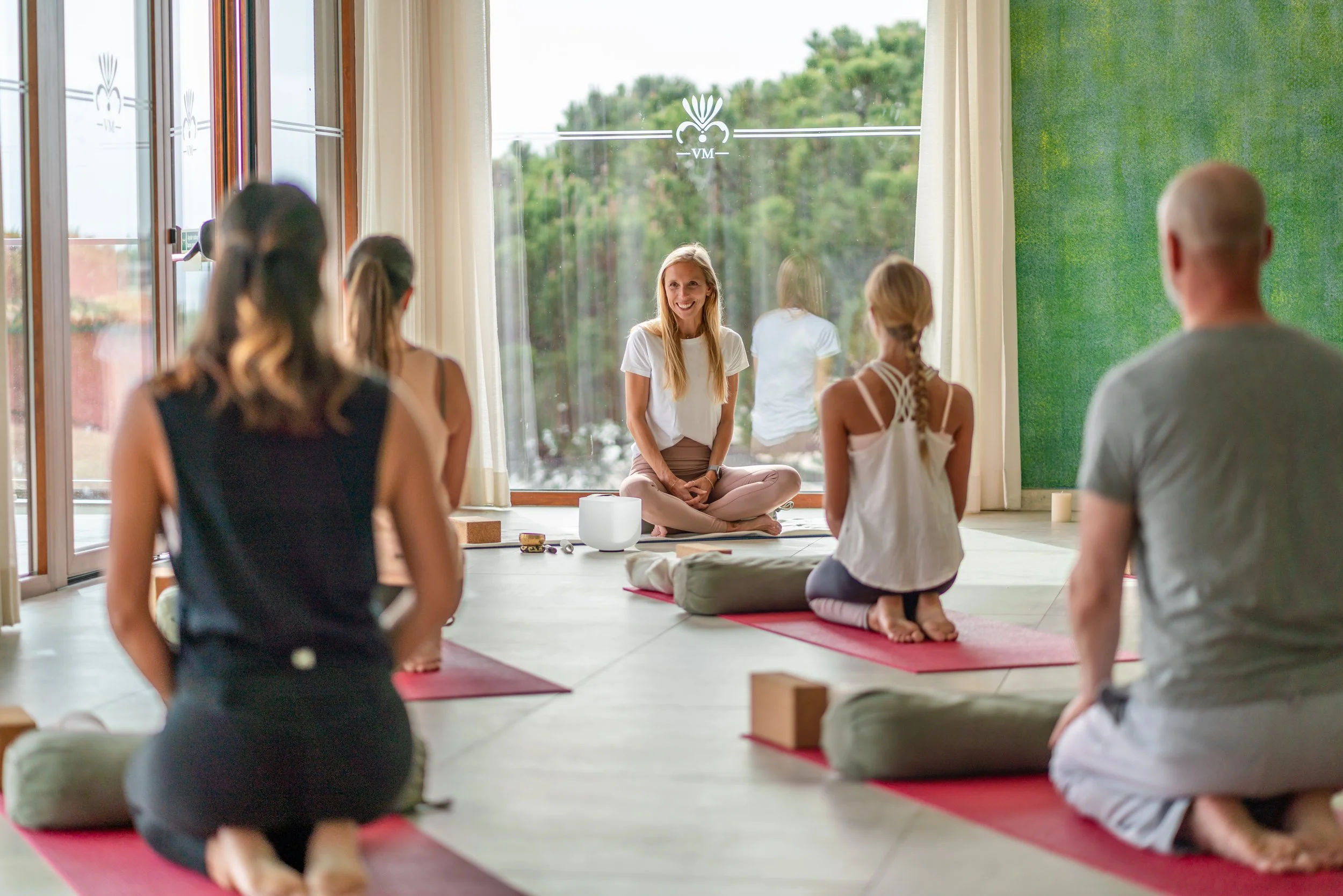
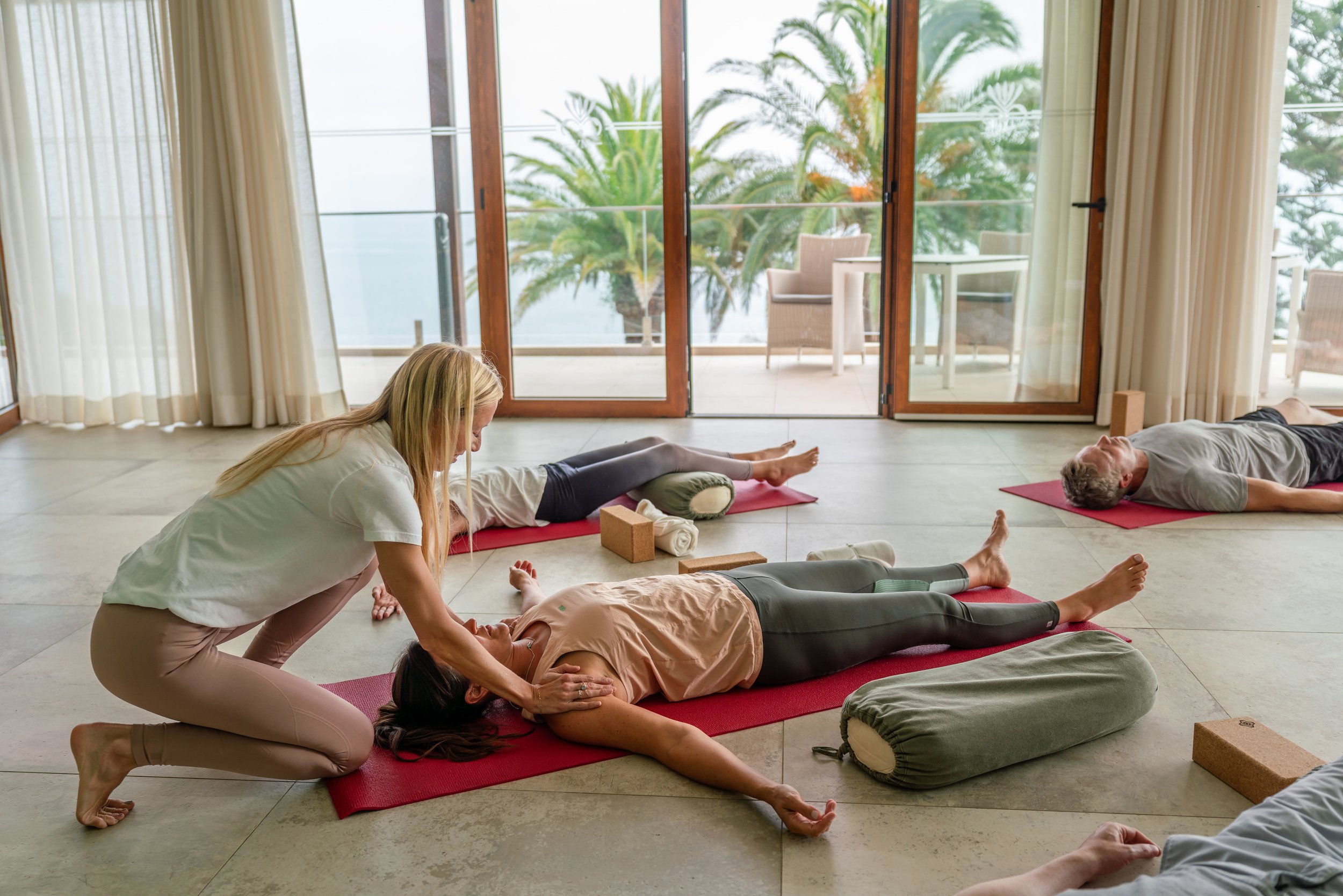
Hosted in premium Algarve properties, Wellness Waves and Wine combines Pilates and Yin Yoga, curated wine tastings at local vineyards, slow, community-led experiences with coastal movement and nature immersion. The combination reflects a broader cultural evolution: travellers no longer view wellness and enjoyment as opposing ideas with balance replacing restrictive itineraries. Guests want movement without intensity, indulgence without guilt and social connection without exhaustion.
A Strategic Solution to Seasonality
For sun destinations such as southern Europe, wellness-led experiences also solve a long-standing commercial challenge: seasonality. Unlike traditional leisure travel, wellness travel performs strongly outside peak summer months. Retreats attract guests seeking reset moments in spring, autumn and winter - extending occupancy while maintaining premium positioning. This shift aligns with wider industry data showing continued growth in wellness-focused lodging and activity-based travel experiences. For destinations and hotels alike, wellness programming is increasingly becoming a revenue stabiliser rather than a marketing exercise.
Community Is the New Distribution Channel
Another defining feature of concepts like Wellness Waves and Wine is how they grow. Bookings are largely driven through community and storytelling rather than traditional travel distribution platforms. Guests often arrive already connected to the founders through social channels — shortening booking cycles and increasing repeat visitation. For travel brands, this signals an important structural change:
Social media has evolved from an inspiration channel to trust infrastructure.
Founder expertise and authentic hosting increasingly outperform anonymous brand messaging.
What Travel Brands Should Take Away
Wellness Waves and Wine highlights several strategic implications for travel companies: Wellness must move beyond the spa. Guests expect integrated wellbeing across food, movement, environment and social experience.
Expert-led programming builds credibility.
Partnerships with practitioners and creators outperform generic hotel activities.
Hybrid experiences attract modern travellers. Combining wellness with culture, gastronomy or lifestyle expands audience appeal.
Smaller, curated experiences drive premium perception
Exclusivity is increasingly defined by intimacy and community.
The Future of Travel Is Intentional
The next phase of travel growth will not come from more destinations but from more meaningful experiences.
Travellers are asking different questions:
Will this trip help me feel better?
Will I connect with people?
Will I return changed?
Concepts like Wellness Waves and Wine demonstrate how hospitality is evolving to answer those questions: blending wellness, lifestyle and community into experiences designed for the way people want to travel now.
For travel brands navigating this shift, wellness is no longer a trend to monitor.
It is rapidly becoming the foundation of modern travel strategy.