Travel Marketing in Uncertain Times
In my years as a marketer, I’ve learned that the travel industry is one of the most resilient on the planet. But it’s also the one of the most sensitive. We’ve been here before—whether it was the silent skies after 9/11, the frozen European hubs during the Icelandic ash cloud, or the total standstill of 2020.
Each time, the playbook changes slightly, but the core human element remains the same. Right now, with the shifting situation in the Middle East and the ripple effects on certain flight corridors, we find ourselves back in a period of "known unknowns."
If you’re managing a travel brand today, here is what experience has taught me about navigating the fog.
1. Lead with empathy, not a sales pitch
Firstly, and most importantly, we have to be mindful that behind every cancelled booking or diverted flight is a person facing a high degree of uncertainty. This isn't just about "lost revenue"; it’s about a family stranded at a transit hub or a traveler worried about their safety. Before you hit "send" on that sun-drenched promotional email, ask yourself: Does this sound tone-deaf to someone currently watching the news with a knot in their stomach?
2. Your marketing channels are now support channels
Recognize that your traditional marketing channels—Instagram, Facebook, Tik Tok, and your email lists—will be used by existing customers to seek support and advice. When people are anxious, they go where the brand lives.
If your social media is still pumping out "Top 10 Beach Clubs" while your DM inbox is full of frantic questions about regional airspace, you’re failing the brand-equity test. Temper your outbound messaging. Pivot your social team from "broadcast" to "response."
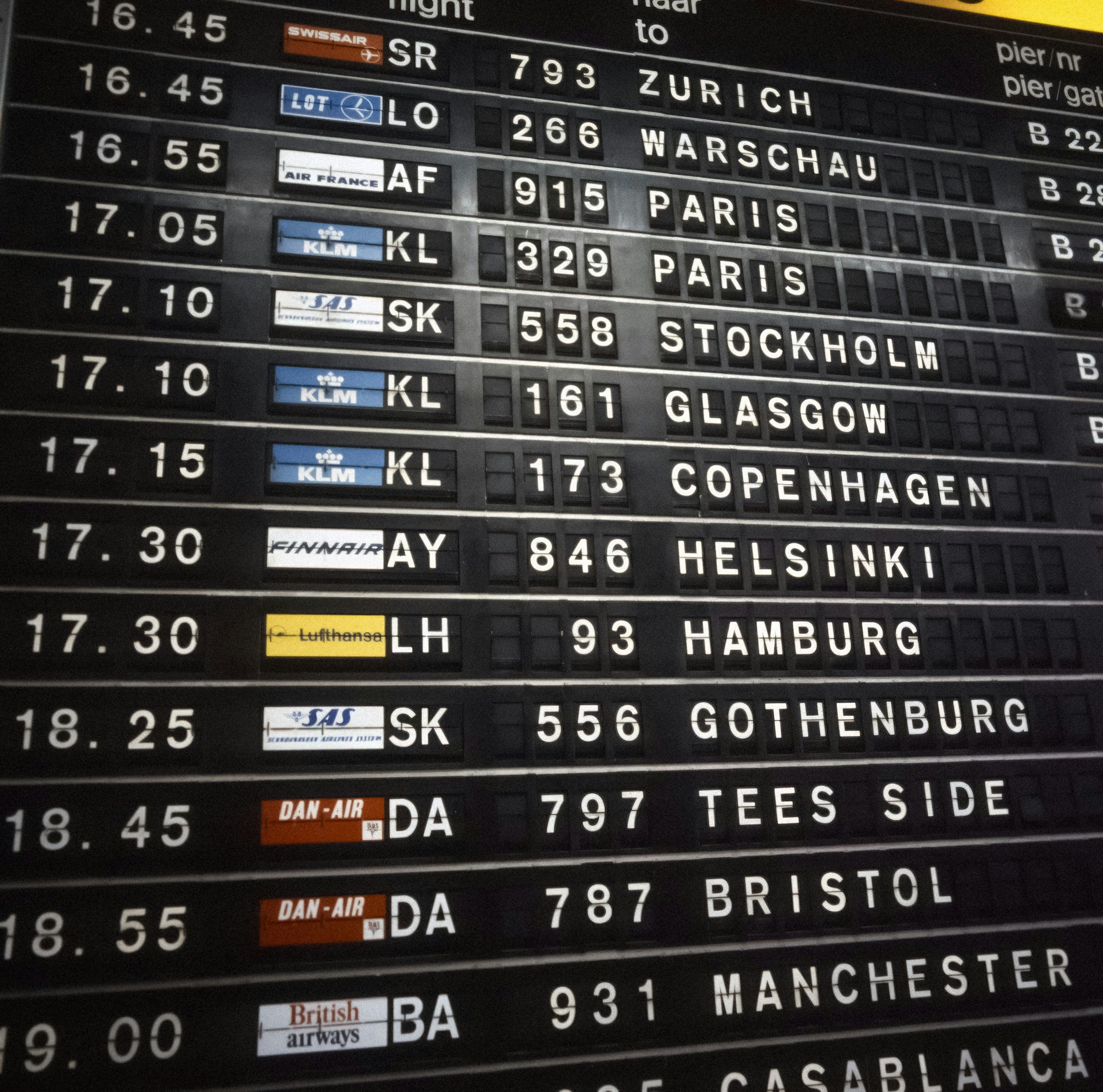
3. Reassurance in simplicity
Create content that provides reassurance, even if it feels "too simple" to you. In a crisis, the human brain loses its ability to process complex information.
"Yes, we are still flying."
"Here is our updated refund policy."
"This is how we are rerouting."
Clear, FAQ-style content is more valuable than a high-production brand film right now. Reassurance is the best marketing you can do.
4. Acknowledge the perception gap
It is vital to remember that while the headlines focus on specific trouble spots, the vast majority of the global travelling ecosystem is not directly affected. Many parts of the world are still very much open for business as usual. However, even if a destination is thousands of miles from the disrupted areas, uncertainty will still exist in the traveller's mind. Acknowledge this gap. Transparency about the safety and accessibility of your specific destinations builds a bridge of trust that lasts long after the headlines fade.
5. Be the guide to alternatives
Finally, we know that despite the noise, people still want—and often desperately need—a well-earned break. If their original plans are now within a disrupted corridor or a region that feels too "close for comfort," make it easy for them to find alternatives. Don't just cancel their trip; give them a path to a different horizon.
Marketing in times like these isn't about ignoring the world; it’s about being a steady hand for the people trying to navigate it.