Beyond the Bucket List: Why ‘Destination Twinning’ is Travel's Smartest Trend
The travel industry is facing a genuine challenge: overtourism is a fact. We have all seen social media feeds saturated with the exact same shots of the Eiffel Tower or the Sagrada Família. For many travellers, the "been there, done that" fatigue is real; they already have the T-shirt.
The solution isn't to stop travelling; it is to travel smarter. Enter "destination twinning." This is the growing trend of swapping out heavily touristed hotspots for emerging, off-the-beaten-path alternatives. These "twins" can offer a similar cultural heartbeat, better value, and a more authentic (and less crowded) experience.
At Llama, destinations are one of our core customer groups, and we see this shift as incredibly positive. Twinning is more than just a clever marketing hook (but it’s that too); it is a practical, effective sustainability strategy. By actively redirecting footfall, we help ease the intense pressure on overwhelmed cities whilst simultaneously boosting the economies of emerging regions. It allows destination brands to step away from the noise and tell rich, untapped stories.
What This Means for Travel Marketing
For brands and destinations, this shift changes the rules of engagement. You aren't just managing a path; you’re managing an ecosystem.
The End of the "Wait and See" Strategy: In the old funnel, you could wait for a traveller to reach the "Consideration" phase. Today, we see "Collapsing Funnels." A traveller can see a stunning reel of a boutique hotel in Bali (Awareness), ask an AI assistant for a price comparison (Consideration), and book the stay (Action) all in under a minute
Utility is the New Awareness: Destinations shouldn't just sell "beauty"; they need to provide utility. Ensure your destination is the one being cited as the "best for solo travelers" or "safest for families" during the Exploration phase.
Brand Authority as a Shortcut: In the Evaluation phase, travellers look for shortcuts to make a decision. Social Proof, Brand Authority, and Value-Alignment (like sustainability) are the hooks that pull them out of the loop and toward a booking. These are now more important than ever.
So, what does this look like in practice across Europe? Here are a few strategic swaps we love:
Thinking of Paris, how about Toulouse: Trade the crowded banks of the Seine for the peaceful canals of Toulouse. The inside track: Known as ‘La Ville Rose’ (The Pink City) for the terracotta bricks that make the city glow at sunset, Toulouse is also France’s secret capital of violets. They have cultivated the rare flower for over a century, using it to create completely unique local liqueurs, sweets, and even mustards.
Instead of Barcelona, try Valencia: You get the same vibrant tapas culture, historic gothic architecture, and Mediterranean sunshine, but with the breathing room to actually enjoy the local rhythm. The inside track: Its stunning 9-kilometre park, which features a futuristic promenade and jaw-dropping architecture designed by local visionary Santiago Calatrava, was entirely built within a diverted riverbed after a flood in the 1950s.
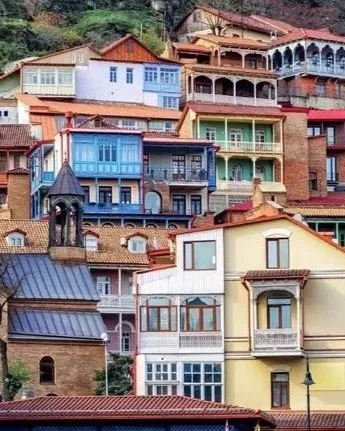
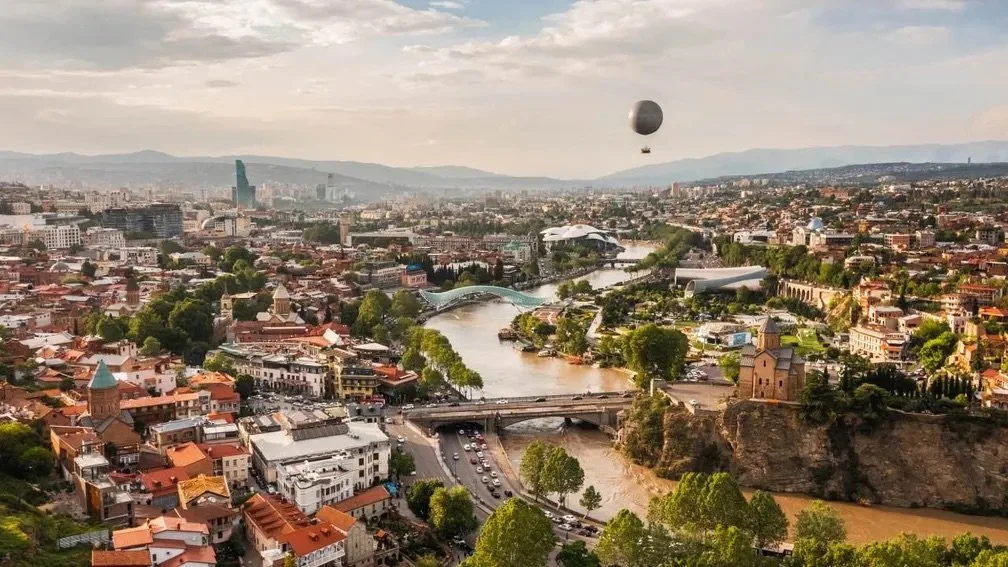
Instead of Berlin, try Tbilisi: If travellers are chasing the gritty, artistic, underground energy Berlin is famous for, Georgia’s capital is the undisputed twin. The inside track: Alongside its thriving modern arts and techno scene, Georgia is actually the birthplace of wine. They have been fermenting grapes in underground clay pots (qvevri) for 8,000 years, making the local food and drink culture utterly unmatched.
Instead of Lisbon, try Palermo: Sicily’s vibrant capital offers the hilly, historic coastal charm and ancient streetscapes of Portugal’s hub, without the overwhelming crowds. The inside track: Palermo is widely considered the undisputed street food capital of Europe. Its incredibly rich culinary scene is a melting pot shaped by centuries of Arab, Norman, and Spanish influence; meaning you will eat better (and cheaper) here than almost anywhere else in Italy.
Instead of the Amalfi Coast, try the Bay of Kotor, Montenegro: You get the same dramatic cliffs plunging into the sea, winding coastal roads, and historic terracotta-roofed towns, but without the bumper-to-bumper traffic of the Amalfi Drive. The inside track: While it looks like a striking Nordic fjord dropped into the Mediterranean, the Bay of Kotor is actually a submerged river canyon. Just off the coast of the sleepy town of Perast lies Our Lady of the Rocks, a stunning artificial church island created slowly over centuries by local sailors dropping rocks into the bay after successful voyages.
Finding these hidden gems, which often rival or exceed their famous cousins, is a brilliant opportunity for travel marketing. Understanding how to expertly position these authentic alternatives is exactly why we are hosting our upcoming Telegraph and Llama Marketing Huddle on 15 May. We will be diving deep into the nuances of marketing destinations in 2026, exploring how brands can shift from mass messaging to authentic, high-trust storytelling.
We will always love the timeless classics like Paris, Barcelona, and Berlin. They top everyone’s bucket list for very good reason, and we have happily visited them many times ourselves. But for travellers ready to look beyond the usual suspects, there is a whole world of credible, undiscovered alternatives waiting to be explored. The smartest travel brands won't just rely on the familiar favourites; they will be the ones confidently leading the way to these new horizons.